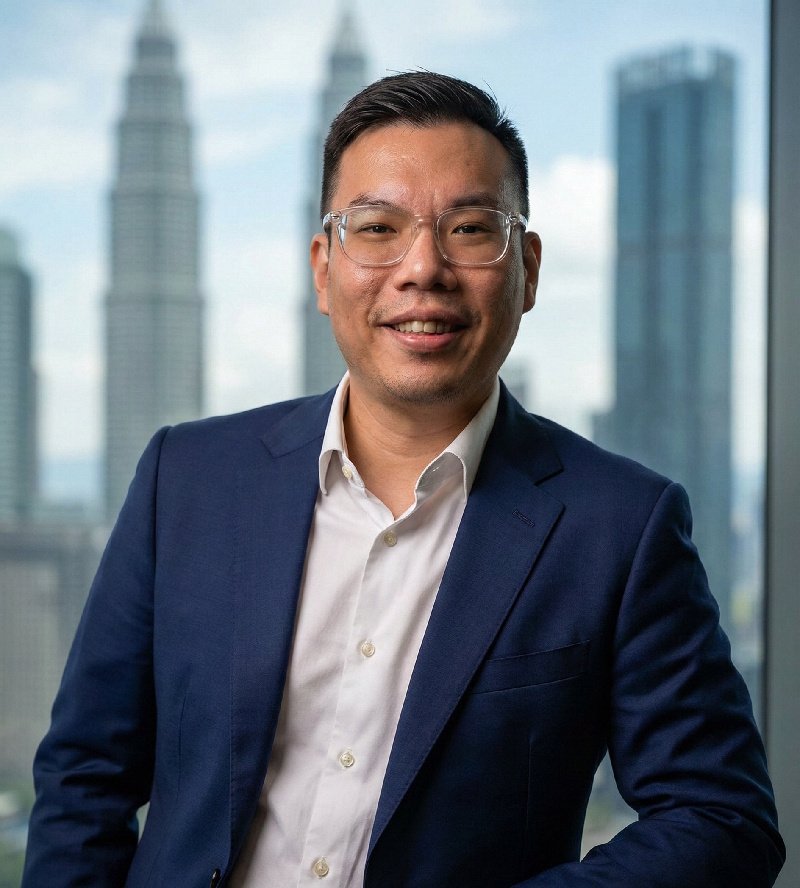
The Shift: What Happened
If you have logged into your banking apps lately, you might have noticed fewer clumsy chatbots offering static FAQ links and more instant, seamless background operations. As Garry Sien of Ant Digital Technologies recently pointed out, the banking conversation since the start of 2026 has decisively shifted from internal employee productivity tools to active revenue generation and automated customer acquisition. Financial institutions no longer just ask how AI can draft an email faster—they demand systems that can act, verify, and deliver tangible commercial returns.
This transition is playing out visibly across Southeast Asia's digital frontier. In neighboring markets like the Philippines, formal financial account penetration among adults surged to 58% in the first quarter of 2026, largely powered by e-wallets. However, the real friction point hasn't been writing code—teams now routinely generate up to 90% of their code with AI—but untangling messy legacy data and securing the digital front door against sophisticated identity fraud.
To overcome this, platforms like GCash have upgraded their eKYC systems using Ant Digital’s ZOLOZ technology to introduce advanced anti-deepfake capabilities. Rather than relying on traditional human agents conducting manual video calls over several days, AI agents now verify non-standard identity documents and detect synthetic faces in real time. Closer to home, agile digital banks such as Malaysia's Ryt Bank demonstrate how modern, unencumbered core systems can execute double-digit concurrent account openings per second during peak campaigns, outpacing traditional brick-and-mortar institutions burdened by legacy IT retrofits.
Why This Matters for Middle-Class Malaysian Families
For the everyday Malaysian household managing a monthly budget between housing commitments, schooling expenses, and retirement savings in EPF (KWSP), digital banking efficiency is a double-edged sword. On one hand, rapid digital onboarding brings immense convenience. High-yield digital savings pots, competitive short-term promotional rates, and seamless transfers mean your liquid emergency funds can work harder with minimal administrative friction.
On the other hand, the threat landscape has evolved from simple phishing SMS links to weaponized synthetic identity theft. When syndicates can generate real-time deepfakes to mimic facial biometrics, the security perimeter of our family’s hard-earned Ringgit is tested daily. Bank Negara Malaysia (BNM) continues to push stringent standards for fraud mitigation, but the consumer remains the last line of defense. A compromise of your primary current or savings account does not just disrupt daily cash flow; it can derail scheduled commitments, from insurance premium payments safeguarding your medical net to disciplined PRS contributions meant for your golden years.
Furthermore, as traditional Malaysian banks work to retrofit AI onto legacy systems, consumers must navigate varying levels of operational resilience. Smaller, nimbler institutions and pure-play digital banks are moving fast, but every household must ensure their liquidity is anchored in institutions with ironclad fraud response frameworks and full PIDM (Perbadanan Insurans Deposit Malaysia) protection up to RM250,000 per depositor.
Strategic Action Steps
- Segregate Operational Cash Flow from Long-Term Reserves: Maintain a "firewall" account. Keep only 1 to 2 months of living expenses in your active e-wallet and daily-use digital bank account for high-frequency transactions. Anchor the rest of your 6-month emergency fund in PIDM-insured high-yield accounts, fixed deposits, or low-risk liquid instruments away from exposed daily-spend apps.
- Audit and Tighten Biometric Authentication: Review every financial application on your smartphone. Disable SMS OTP fallbacks wherever proprietary in-app hardware tokens (such as secure app-bound authenticators) are available. Ensure your banking apps utilize device-level biometric authentication backed by updated operating software to benefit from current anti-deepfake patches.
- Establish Family-Level Verification Protocols: Given the surge in AI voice cloning and real-time deepfake video capabilities, establish an offline, verbal "family passphrase" with your spouse, elderly parents, and teenage children. If any family member receives an urgent call or video request demanding an emergency fund transfer, no money moves until the caller verifies the private family passphrase offline.
- Review High-Value Transfer Limits on Digital Portals: Periodically review and lower your default daily DuitNow and interbank GIRO transfer limits. If your household’s normal daily outflow rarely exceeds RM1,000, do not leave your daily transfer cap set at RM10,000 or RM50,000 on accounts linked to remote digital onboarding.
Long-Term Wealth Perspective
In my years advising Malaysian professionals and business owners, I have seen technology repeatedly reshape how we grow wealth, but the fundamentals of capital preservation never change. Speed and algorithmic sophistication are exciting, but prudence must always lead the way. A digital bank onboarding dozens of users per second is a marvel of modern engineering, yet it does not replace the patient discipline of steadily building your core net worth through EPF, regulated unit trusts, property, and private retirement schemes.
Treat AI agents and cutting-edge fintech as tools for operational convenience, not as replacements for structured financial governance. Protect your downside first: ensure your family’s medical safety net is intact, your liquid buffers are insulated from identity theft, and your assets are diversified across well-regulated, reputable custodians. In a financial world moving at the speed of code, the families who prosper over decades are those who combine the efficiency of modern tools with unshakeable, old-fashioned financial discipline.
Disclaimer: This article is provided for informational and educational purposes only and does not constitute formal financial, investment, or legal advice. Policy values and guidelines are subject to regulatory updates.